
WE_MIND BLOG
Product
Supply chain story: Buttons
(upd. )
Origin & materials
Our collaboration with our button manufacturers is based on long-standing partnerships, trust and a shared understanding of quality. Buttons may seem small or even inconspicuous, but they embody the years of experience, attention to detail and care that ultimately make a DRYKORN garment a DRYKORN garment.
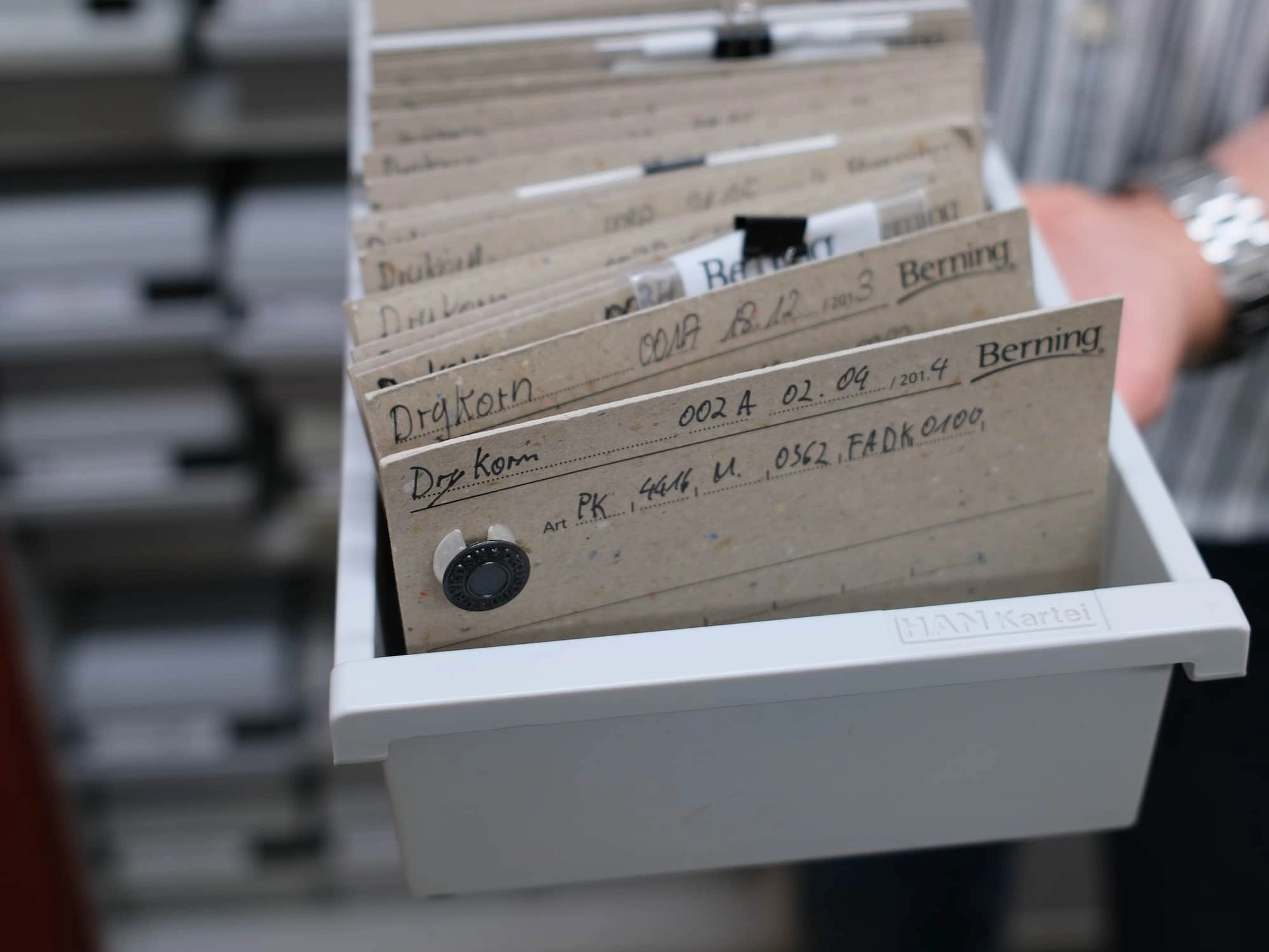
Berning, Wuppertal
Berning stands for technical expertise and modern button craftsmanship. The family-run business from Wuppertal manufactures metal buttons, rivets, and fasteners. They don’t only produce for the fashion industry but also for the automotive sector. State-of-the-art equipment, craftsmanship, and decades of experience come together here. Production takes place in Germany, with a clear focus on quality.
Schäfer-Bodo Jagdberg, Aschaffenburg
Since 2025, the traditional companies Knopf Schäfer and Bodo Jagdberg have been pooling their expertise under a common name. Both family-owned companies from Aschaffenburg have decades of experience in the manufacture of high-quality fashion buttons – especially Corozo buttons. The Corozo nuts come from Ecuador and are first processed into blanks in Italy. The finishing touches – such as engraving or dyeing – are then carried out entirely in Germany.
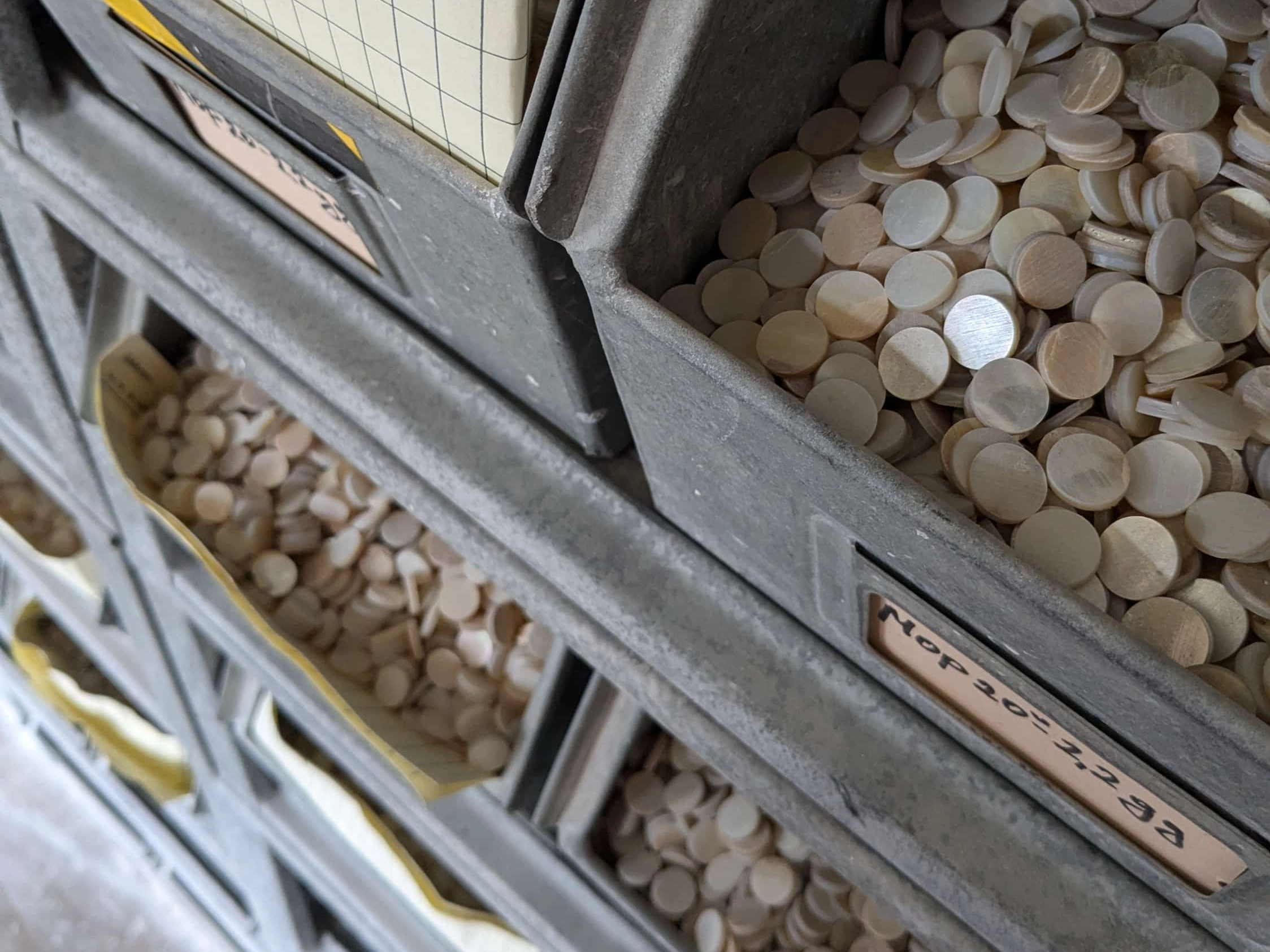
Rosenfelder Knopffabrik, Rosenfeld
Rosenfelder is a traditional family business in the Swabian Alb region that has made a name for itself with its craftsmanship, also among international luxury labels. Production takes place entirely in Germany. The range of materials used extends from natural materials such as horn, mother-of-pearl, Corozo and wood to metal and high-quality plastics.
Deep Dive: Corozo – Vegetable Ivory
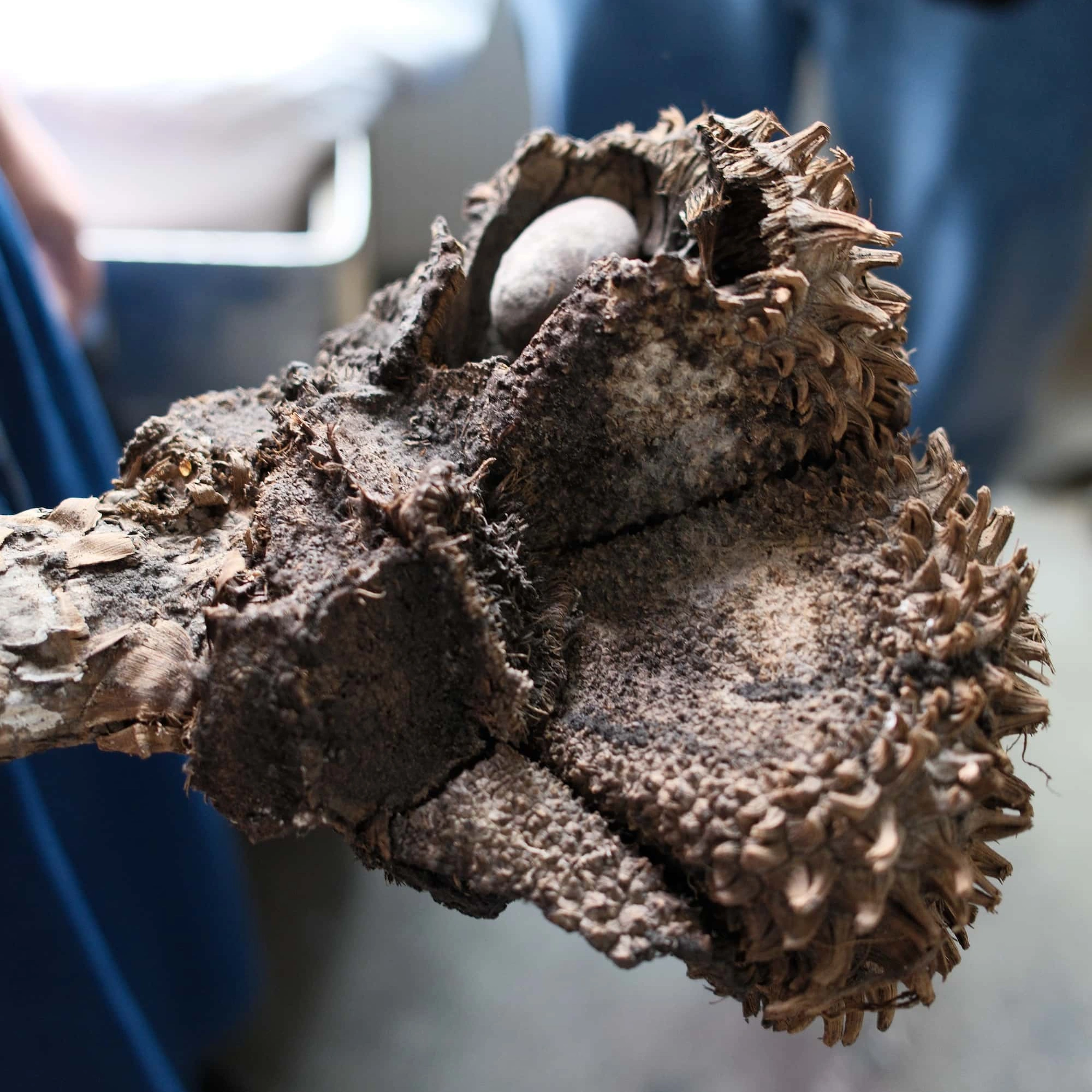
Corozo, also known as tagua, is the seed of certain species of palm trees in the genus Phytelephas. They grow in the northern rainforests of Ecuador and southern Colombia. The Corozo palm tree bears chestnut-like fruits, the seeds of which are used to make buttons. In the fashion industry, Corozo is valued for its robustness and fine, dense structure – properties that make it versatile, rigid, and pleasant to the touch. Because of its ivory-like color and grain, it is also called “vegetable ivory”.
Buttons growing on trees
Processing Corozo requires a great deal of expertise: after collection, the nuts are dried in the sun and then cut into slices. These slices are cut into button blanks, shaped into the desired form, and polished. If required, engraving is carried out before dyeing. The blanks are then soaked and dyed. Afterwards, they are fixed and dried. Finally, each button undergoes careful quality control.
The Corozo palm tree cannot be cultivated. Its fruits must be collected by hand, which fortunately makes the plant unattractive for large corporations and monoculture farming. Not only that, but Corozo plays an important role for small farmers, who use it to generate an additional source of income alongside their usual agricultural products such as manioc, corn, and bananas. To be honest though, farmers in South America cannot earn a living from Corozo alone, because the nuts are simply too inexpensive. So inexpensive, in fact, that Corozo buttons are often cheaper than plastic buttons.
FOR BEAUTIFUL PRODUCTS.